
Unlike mass-produced commercial coffee, specialty coffee focuses on exceptional flavor, transparency, and craftsmanship. Every step of the process is designed to preserve quality and showcase the unique characteristics of the coffee.
If you’ve ever wondered why some coffees have more distinctive flavors, fresher aromas, and detailed information about where they were grown, our blog post on this subject is a perfect place to start.
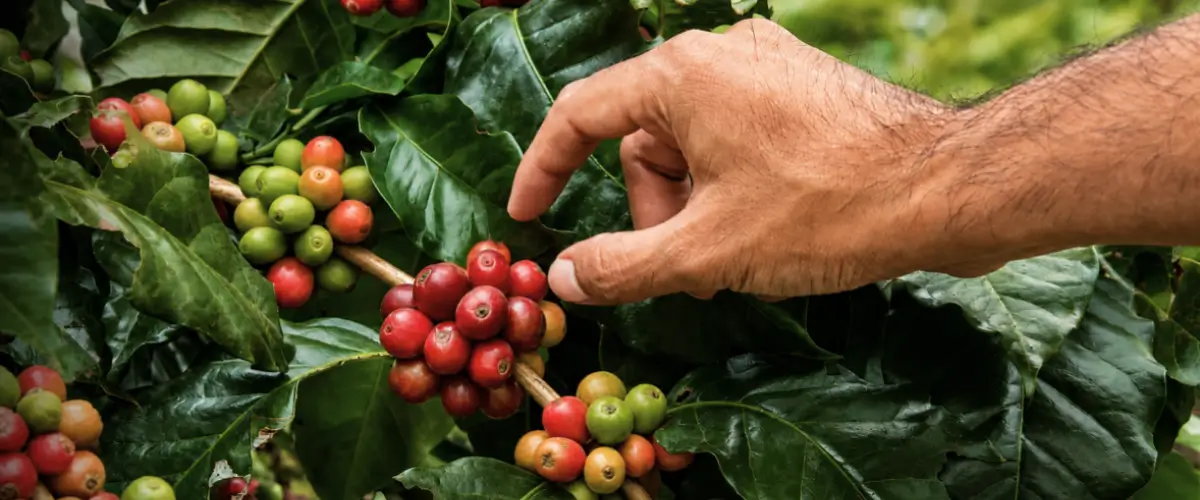
What Makes Coffee Specialty Coffee?
Many people assume specialty coffee simply means expensive coffee. In reality, it’s defined by measurable quality standards rather than marketing language.
To qualify, a coffee must achieve a score of at least 80 points during professional evaluation. Coffees are assessed for aroma, flavor, sweetness, acidity, body, balance, and the absence of defects.
Quality begins on the farm. Growing conditions, elevation, harvesting practices, processing methods, and roasting all influence the final cup. Specialty coffee is the result of hundreds of small decisions focused on quality rather than volume.
This attention to detail is one of the reasons it has become increasingly popular among consumers seeking a better coffee experience.
How Is Specialty Coffee Graded?
The Specialty Coffee Association (SCA) has established industry standards used to evaluate a coffee’s quality.
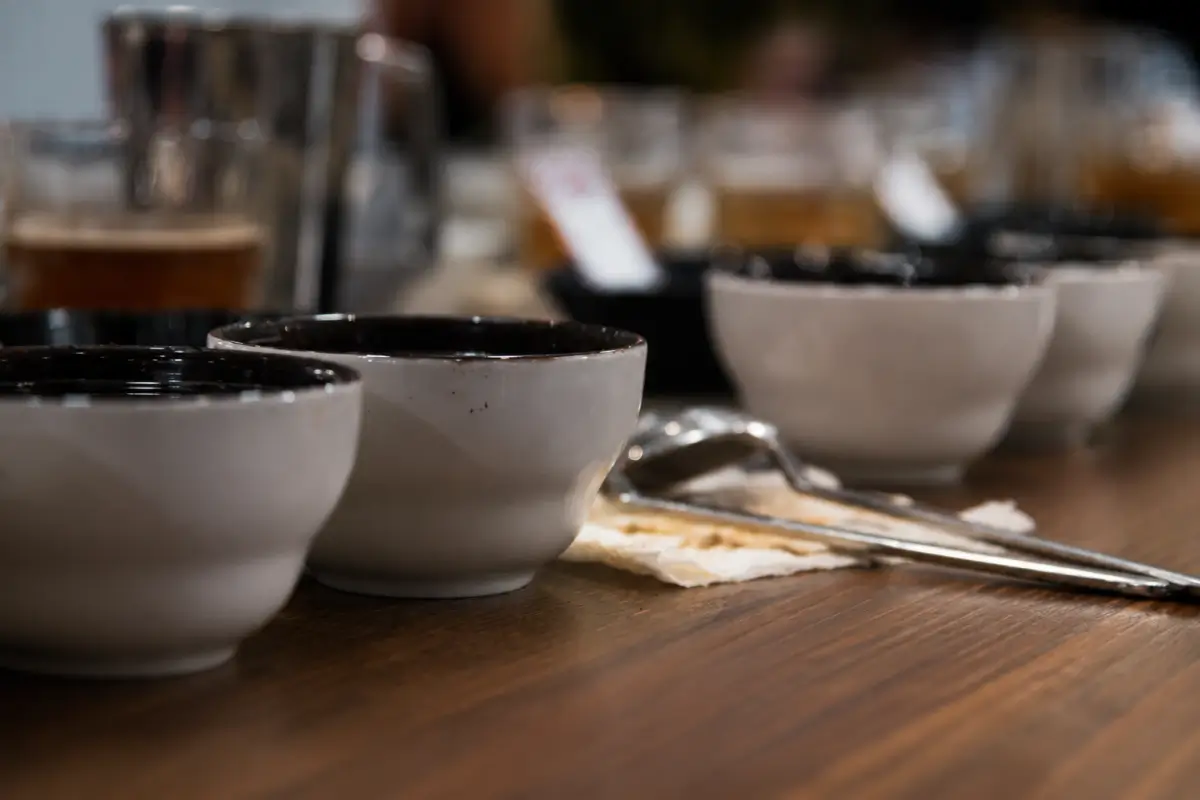
Trained professionals known as Q Graders assess coffee through a process called cupping. During cupping, coffees are evaluated for fragrance, aroma, flavor, aftertaste, acidity, body, sweetness, balance, and overall impression.
The 80-Point Threshold
A coffee must score at least 80 points to qualify as specialty coffee. Coffees scoring in the mid-80s are generally considered very good, while coffees above 90 points are considered exceptional.
The grading system provides an objective benchmark that helps separate quality-focused coffee from products that rely solely on marketing claims.
From Farm to Cup: The Journey of Specialty Coffee
Specialty coffee begins long before the beans reach a roaster. Climate, elevation, rainfall, and soil conditions all influence coffee quality.
Many coffee producers selectively harvest ripe cherries by hand. This additional labor helps improve consistency and flavor while reducing defects.
After harvest, coffee is processed using washed, natural, or honey processing methods. Each method influences the flavors that eventually reach the cup.
Understanding how coffee is harvested and processed helps explain why coffees from different producers develop unique flavor profiles.
Climate also plays a major role. Different coffee growing regions create unique flavor characteristics that help distinguish one coffee from another.
The Role of Small Batch Roasters
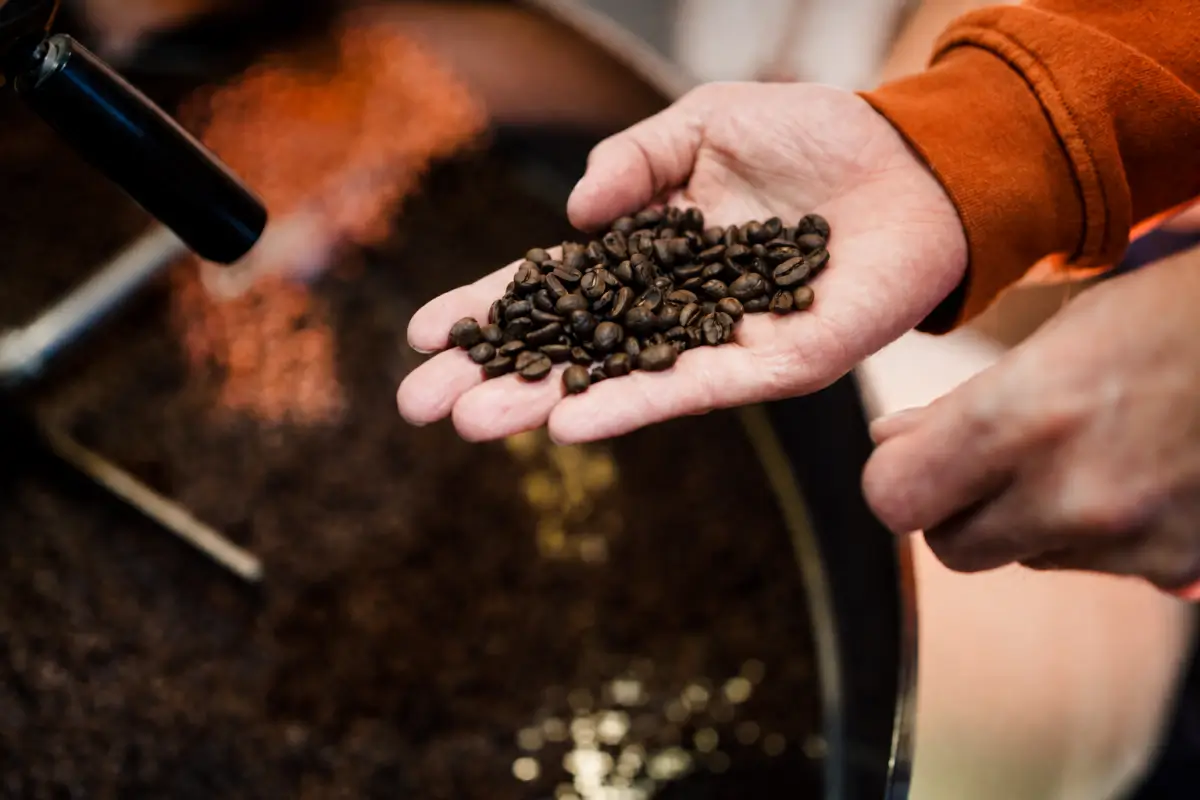
Small batch roasters carefully develop roast profiles designed to highlight a coffee’s strengths rather than hide them. Their goal is to showcase origin characteristics and maximize flavor clarity.
Specialty Coffee vs Commercial Coffee
One of the biggest differences between specialty coffee and commercial coffee is the emphasis on quality.
Commercial coffee is often produced on a much larger scale where consistency and efficiency are primary goals. Specialty coffee prioritizes flavor, traceability, and quality control.
Many consumers begin their specialty coffee journey through single origin coffee, which highlights the characteristics of a specific farm, region, or country.
Transparency Creates Trust
Small batch coffee roasters frequently provide information about origin, producer, processing method, elevation, and tasting notes. This transparency helps consumers understand exactly what they are drinking.
Why Does Specialty Coffee Cost More?
Specialty coffee often costs more because additional labor and quality control are involved at every stage of production.
Selective harvesting, defect sorting, controlled processing, professional grading, and small-batch roasting all require more time and expertise.
These investments help create a better cup while supporting higher quality standards throughout the supply chain.
Value Beyond Price
Many coffee lovers find specialty coffee delivers greater value through freshness, transparency, and a more enjoyable drinking experience.
How Can You Identify Specialty Coffee?
One of the easiest ways to identify high-quality coffee is by looking for transparency on the packaging.
Look for roast dates, origin information, tasting notes, processing methods, and producer details. The more information provided, the more likely the roaster values transparency.
Shopping through a curated coffee marketplace can also make it easier to discover coffees from multiple small batch roasters in one place.
Why Coffee Lovers Choose Specialty Coffee
Specialty coffee offers an opportunity to explore the incredible diversity of flavors found throughout the coffee-growing world.
Different regions, processing methods, and roasting approaches create unique flavor profiles that cannot be replicated through mass production.
For many people, coffee is about more than caffeine. It is about appreciating craftsmanship and discovering new flavors.
Frequently Asked Questions
What qualifies as specialty coffee?
Is specialty coffee always single origin?
No. It can be either a single origin coffee or a blend.
Does specialty coffee taste better?
Taste is subjective, but specialty coffee is intentionally produced to deliver exceptional quality and flavor.
Why is specialty coffee more expensive?
Additional labor, grading, sorting, and quality control increase production costs.
Is specialty coffee organic?
Not necessarily. Specialty coffee refers to quality standards rather than organic certification.
Conclusion
Specialty coffee represents the highest standards of quality in the coffee industry. From cultivation and harvesting to roasting and brewing, every step contributes to the final experience.
Whether you discover new coffees through a local roaster, a curated marketplace, or convenient coffee subscriptions, these amazing beans offer an excellent way to explore the people, places, and processes behind every cup.
Understanding what it is helps explain why certain coffees stand out for their flavor, freshness, and traceability.
Related Articles
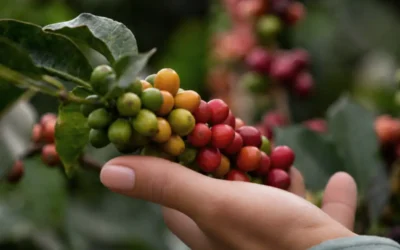
How Is Coffee Harvested and Processed?
How is coffee harvested and processed? Long before coffee is roasted, brewed, and enjoyed, it must pass through...
The History of Coffee: From Ancient Origins to Your Cup
Coffee has been bringing people together for centuries. Long before modern coffee shops, espresso machines, and...
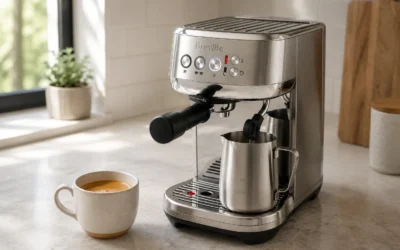
Breville Bambino Plus Review: Is It Worth Buying?
The Breville Bambino Plus has become one of the most frequently recommended espresso machines for home coffee...
Discover Coffee From Small Batch Roasters
Explore single origin coffee, espresso, blends, cold brew, decaf coffee, and subscriptions from small batch roasters across the country. Discover coffee from real people with real stories.
Shop Coffee
Explore coffee from small batch roasters, including single origin coffee, blends, decaf coffee, cold brew, and more.
Espresso Coffee
Discover espresso blends and single origin espresso coffees crafted for rich flavor, balanced extraction, and exceptional crema.
Coffee Subscriptions
Get fresh roasted coffee delivered automatically to your home, and discover new favorites from small batch roasters.
Browse Coffee Categories:
About the Author

Maker's Coffee
Blog Writer
Maker’s Coffee blog writers consist of experienced coffee professionals and enthusiasts dedicated to creating informative, educational, and engaging content about coffee, brewing methods, roasting, coffee equipment, and the people behind every cup.

0 Comments