
How do you clean coffee equipment? The best way is to regularly remove coffee oils, residue, and mineral buildup using the proper cleaning method for each brewer, grinder, and accessory. Consistent maintenance helps preserve flavor, improve brewing performance, and extend the life of your equipment.
Even the highest quality brewer cannot produce its best cup if old coffee oils, residue, and mineral deposits are allowed to build up. Coffee naturally contains oils that contribute to its flavor during brewing, but when those oils remain on brewing equipment, they gradually oxidize and can leave stale flavors in future cups. Mineral buildup from water can also reduce brewing performance and brewing temperature over time.
Fortunately, keeping your equipment clean doesn’t have to be complicated. A few simple habits after each brew, along with occasional deep cleaning and descaling, can make a noticeable difference in both coffee quality and the longevity of your equipment.
Whether you brew with a drip coffee maker, French press, pour-over brewer, or espresso machine, this guide will walk you through the best cleaning practices so you can enjoy fresh, flavorful coffee every time.
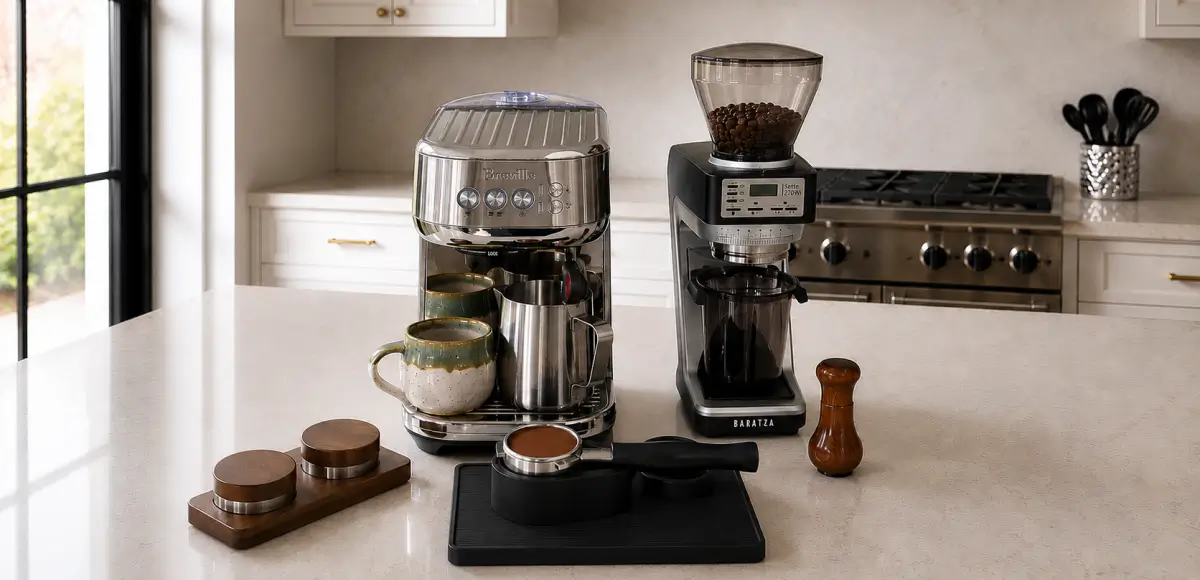
Why Cleaning Coffee Equipment Matters
Every cup of coffee leaves behind more than just used grounds. As coffee brews, natural oils and tiny particles cling to the surfaces of your brewing equipment. Over time, those oils can become rancid, creating bitter or stale flavors that mask the coffee’s true character.
Minerals found in tap water can also build up inside brewers, kettles, and espresso machines. This buildup, often called limescale, can reduce brewing performance, affect water flow, and even shorten the lifespan of your equipment if it isn’t removed regularly.
Regular cleaning isn’t just about appearance, it’s one of the easiest ways to improve every cup you brew. Whether you’re making a simple morning drip coffee or dialing in an espresso shot, clean equipment helps produce more consistent results while protecting the investment you’ve made in your brewing setup.
If you’re brewing fresh roasted coffee, keeping your equipment clean becomes even more important. Freshly roasted beans contain delicate aromas and flavors that deserve a clean brewing environment so nothing interferes with the taste.
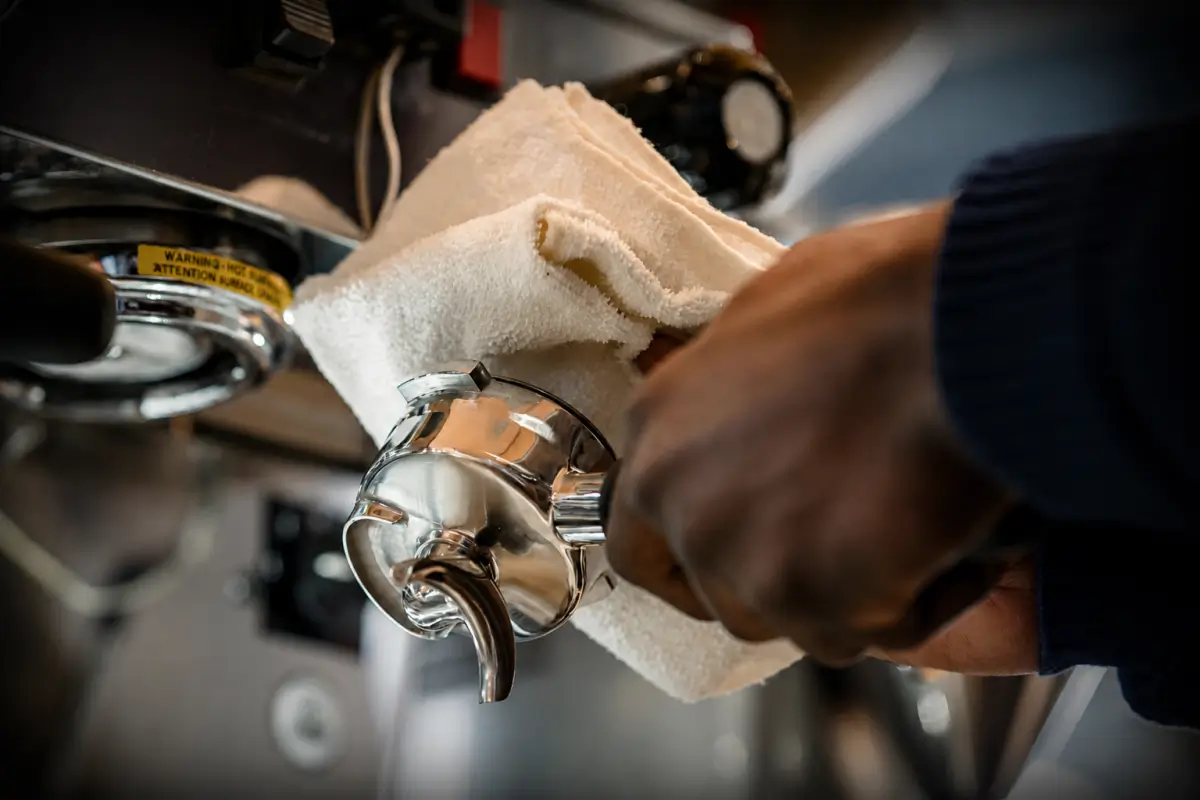
Coffee Equipment Cleaning Schedule at a Glance
One of the easiest ways to keep your coffee tasting its best is to follow a simple cleaning routine. You do not need to deep clean your equipment after every brew, but regular maintenance prevents coffee residue and mineral buildup from affecting flavor and brewing consistency.
The schedule below is a general guideline for most home coffee brewing equipment. If you brew several times each day, you may need to clean certain items more often. Always follow your manufacturer’s recommendations for routine maintenance and descaling.
Recommended Cleaning Schedule
| Equipment | Routine Cleaning | Deep Cleaning |
|---|---|---|
| Drip Coffee Maker | Rinse brew basket and carafe. | Descale as needed. |
| Coffee Grinder | Brush away loose grounds. | Deep clean burrs monthly. |
| French Press | Wash carafe and filter. | Deep clean all parts monthly. |
| Pour Over Brewer | Rinse dripper and server. | Inspect for residue. |
| Espresso Machine | Clean the portafilter and steam wand. | Backflush and descale as recommended. |
Following a consistent routine takes only a few minutes and helps ensure every brewer is ready for the next cup. Regular cleaning also reduces the amount of deep cleaning required over time while preserving the flavors and aromas your coffee was intended to deliver.
How to Clean a Coffee Grinder
Your coffee or espresso grinder plays an important role in the flavor of every cup. Even the freshest beans can produce disappointing results if old coffee grounds and oils are left behind. A clean grinder delivers more consistent grind sizes and helps preserve the unique flavors of your coffee.
Cleaning a Burr Grinder
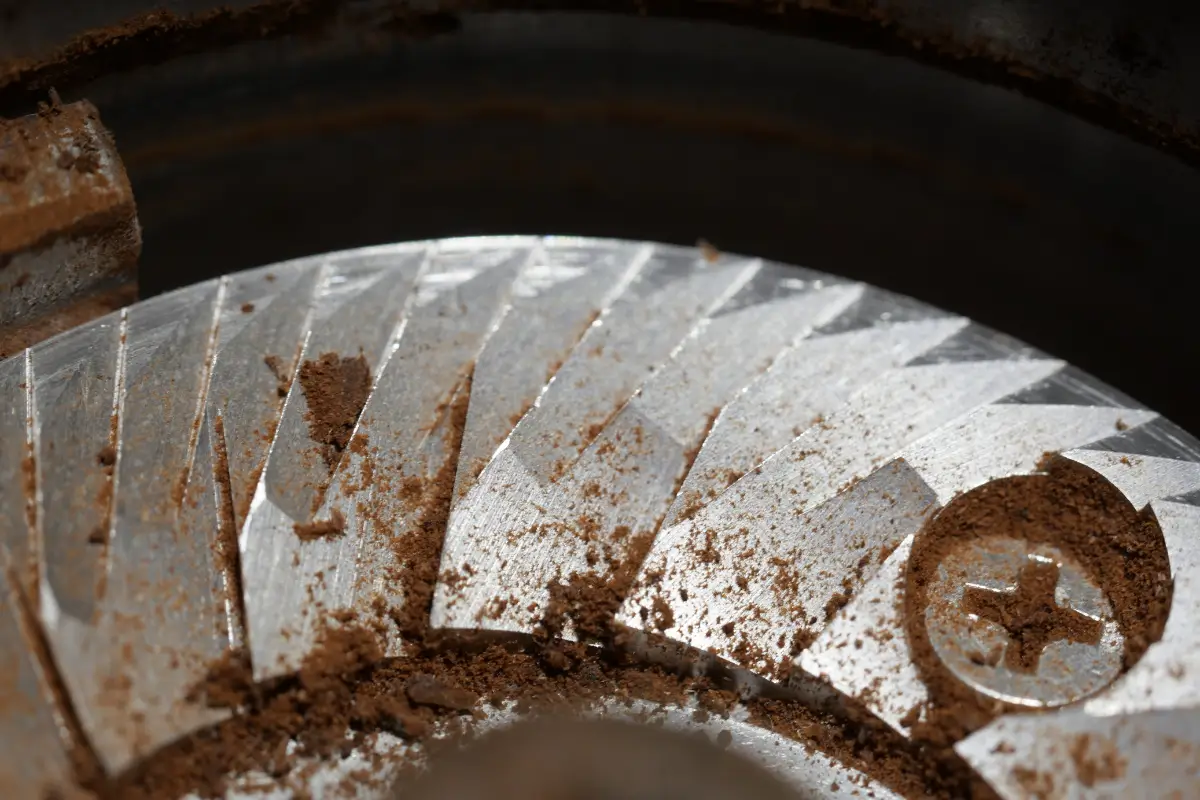
Start by unplugging the grinder and emptying any remaining coffee beans from the hopper. Brush away loose grounds from the burrs and grind chamber using a grinder brush or a soft brush designed for coffee equipment.
Unless the manufacturer specifically recommends otherwise, avoid washing burrs with water. Moisture can promote corrosion on some burr materials and may damage internal components. A soft brush or grinder cleaning pellets are typically the safest options for routine maintenance.
Wipe accessible surfaces with a dry microfiber cloth. If your manufacturer recommends grinder cleaning pellets, run them through the grinder according to the instructions. Avoid using water on the burrs unless the manufacturer specifically says it is safe.
How to Clean a Drip Coffee Maker
A drip coffee maker is one of the easiest pieces of coffee equipment to maintain, but it is also one of the most commonly overlooked. Regular cleaning removes coffee oils and residue, while descaling removes mineral buildup caused by water. Both are important for brewing great tasting coffee.
Daily Cleaning
After each brew, discard the used coffee grounds and rinse the brew basket with warm water. Wash the carafe with warm water and a mild dish soap as needed, rinse it thoroughly, and allow all removable parts to dry completely before reassembling the brewer.
Deep Cleaning
Once each week, wash the removable parts thoroughly and wipe the exterior with a damp microfiber cloth. If your brewer has a spray head or shower screen, check it for coffee residue and clean it according to the manufacturer’s instructions.
Descaling Your Coffee Maker
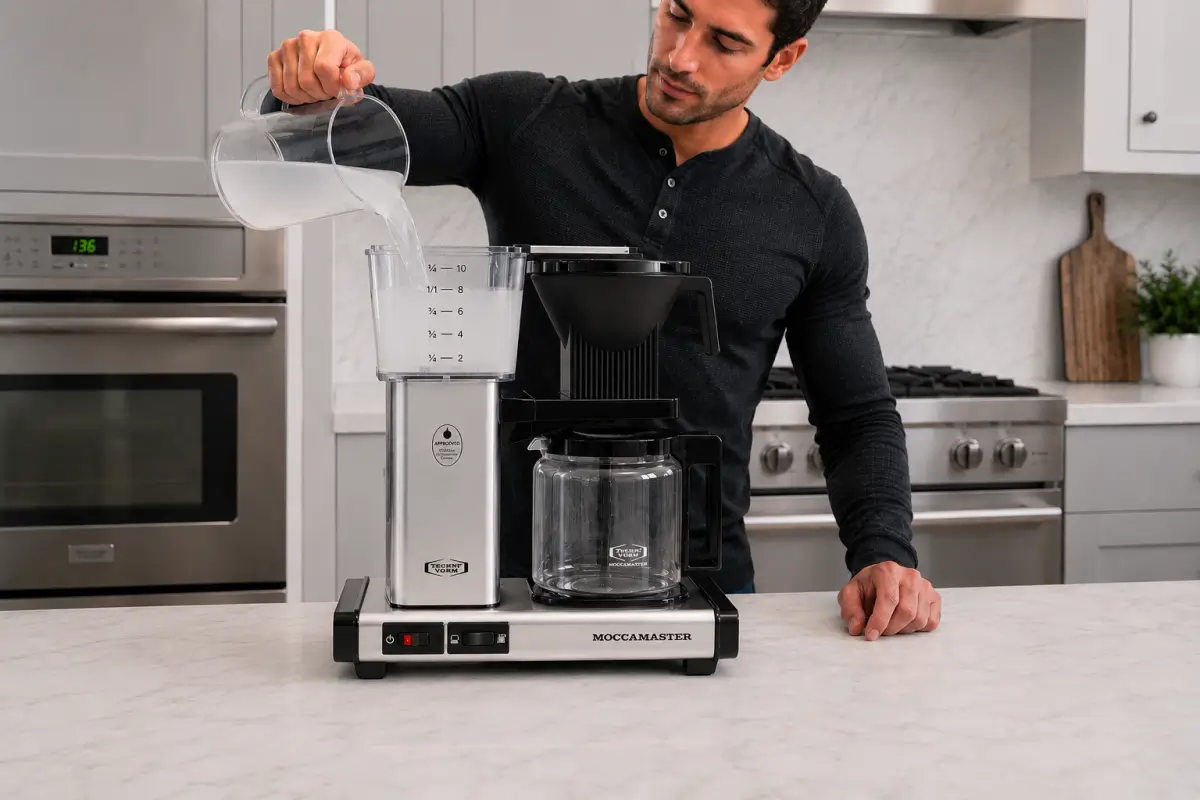
Descaling removes the mineral deposits that naturally develop inside your coffee maker over time. How often you need to descale depends on your water hardness, brewing frequency, and the manufacturer’s recommendations. If you notice slower brewing, unusual noises, or reduced brewing temperatures, it may be time to descale your machine.
How often you descale depends on your water quality and how frequently you brew coffee. Homes with hard water may need to descale more often than those using filtered or softened water.
How to Clean a French Press
A French press is simple to clean, but it is also one of the easiest brewers to neglect. Fine coffee particles and natural oils can collect around the mesh filter after every brew. Cleaning the brewer immediately after use helps preserve flavor and keeps every cup tasting fresh.
Clean the Carafe and Plunger
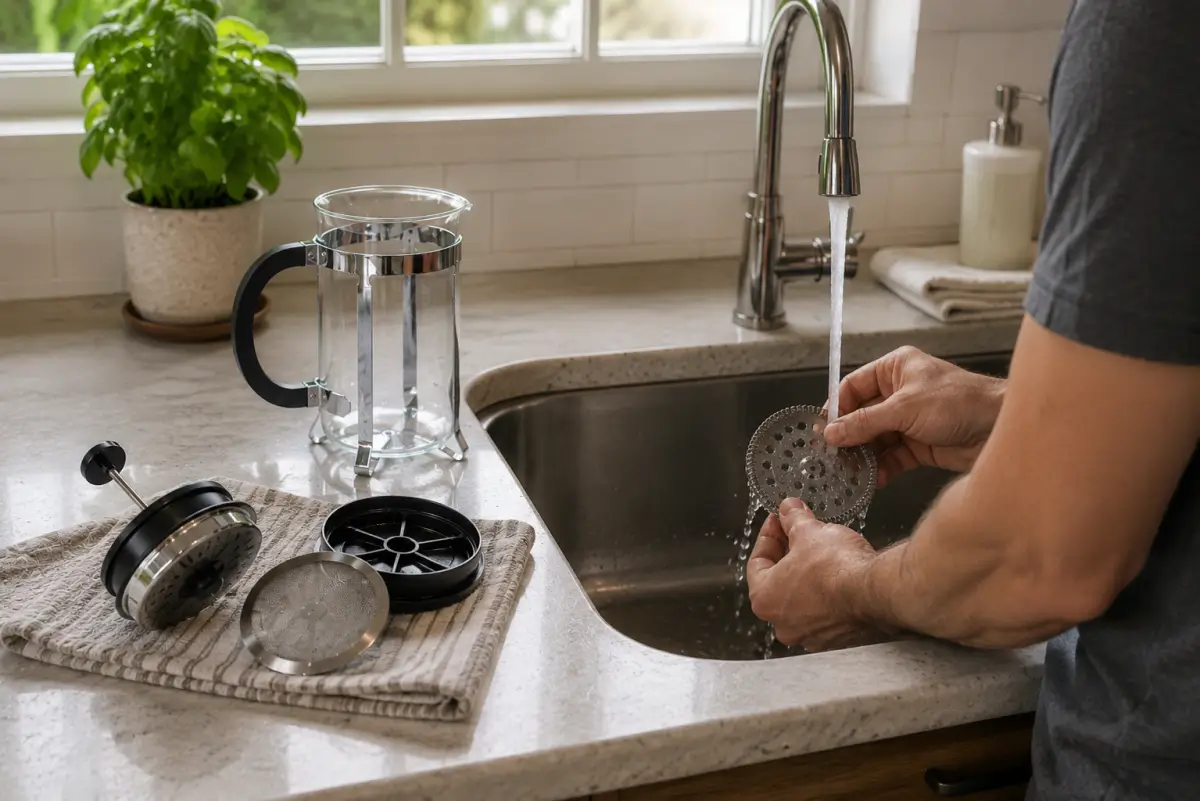
Discard the used coffee grounds and rinse the carafe with warm water as soon as it has cooled. Wash the glass carafe with a mild dish soap as needed, then disassemble the plunger so each part of the filter can be cleaned thoroughly.
Use a soft brush or sponge to remove any trapped coffee particles from the mesh filter. Rinse every part well and allow the components to dry before reassembling the French press.
Remove Coffee Oils from the Filter
The mesh filter is the part of a French press most likely to collect coffee oils. If those oils remain, they can affect the flavor of future brews. Taking a few extra moments to clean the filter after each use helps maintain a cleaner cup and more consistent results.
Whether you brew every morning or only on weekends, clean equipment allows specialty coffee to showcase the flavors the roaster intended.
How to Clean Pour Over Equipment
Pour over brewers are simple to maintain, but regular cleaning is still important. Coffee oils can collect on the dripper, server, and filter holder over time, affecting the clean flavor that pour over coffee is known for. A quick rinse after every brew and a more thorough cleaning each week will keep your equipment performing its best.
Clean the Dripper and Server
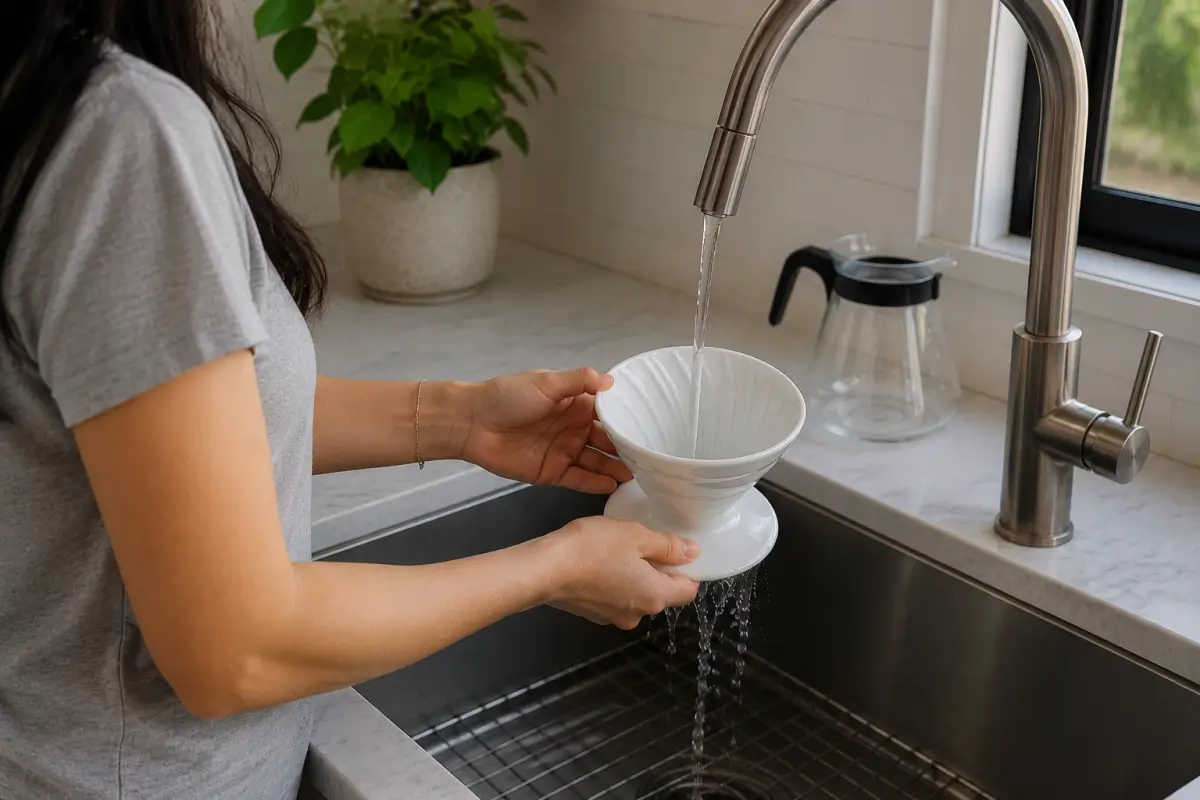
Discard the used paper filter or coffee grounds immediately after brewing. Wash the dripper and server with warm water and a mild dish soap as needed, then rinse thoroughly to remove any remaining residue. Allow each piece to dry completely before storing it.
Do Not Forget the Kettle
If you use a gooseneck kettle, empty any remaining water after brewing and allow it to air dry. Wipe the exterior with a soft cloth and descale the interior as recommended by the manufacturer to help prevent mineral buildup.
How to Clean an Espresso Machine
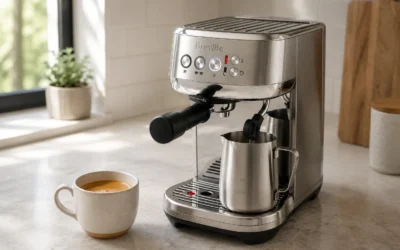
Espresso machines require a little more attention than most brewing methods, but regular maintenance only takes a few minutes. Cleaning coffee oils, milk residue, and mineral buildup helps produce better tasting espresso while protecting your machine for years to come. If you own an espresso machine like the Breville Bambino Plus as an example, following a regular cleaning routine helps maintain consistent espresso quality and reliable performance.
Clean the Portafilter and Filter Basket
After each shot, knock the used coffee puck into a knock box and rinse the portafilter and filter basket with warm water. Wipe both dry before brewing again to prevent old coffee oils from affecting the flavor of your next espresso.
Clean the Steam Wand
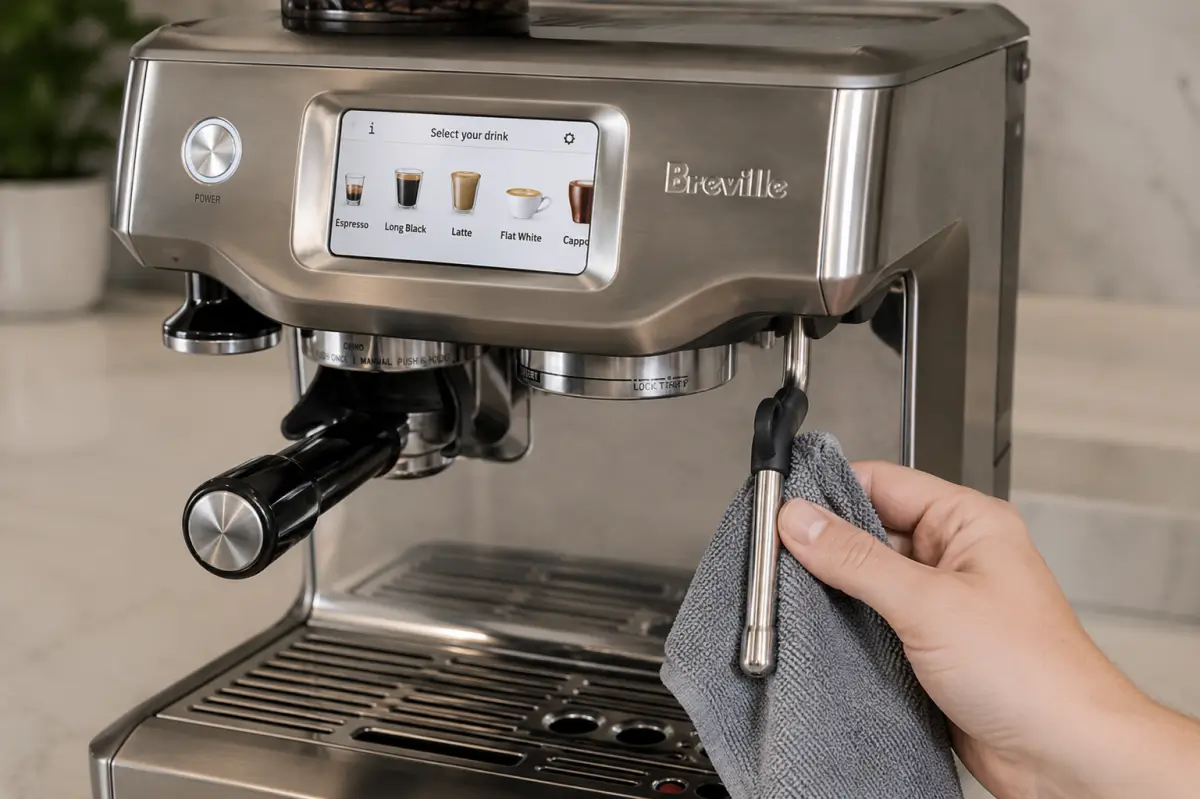
Purge the steam wand immediately after steaming milk, then wipe it with a damp microfiber cloth. Never allow milk to dry on the wand because it becomes much more difficult to remove and can affect performance.
Backflush the Espresso Machine
If your espresso machine supports backflushing, follow the manufacturer’s instructions and use a cleaning tablet designed specifically for espresso machines. Backflushing removes coffee oils from the brew path and helps maintain consistent extraction. Keep in mind that not every home espresso machine supports this procedure, so always consult your owner’s manual before performing a backflush. Some espresso machines include automatic cleaning or descaling reminders, while others rely on a maintenance schedule outlined in the owner’s manual.
Descale When Recommended
Descaling removes mineral deposits that naturally develop inside the machine over time. How often you should descale depends on your water quality, how frequently you use your espresso machine, and the manufacturer’s recommendations. Always use an approved descaling solution designed for your machine.
Best Cleaning Products for Coffee Equipment
Using the right cleaning products helps protect your coffee equipment and keeps every brewer performing at its best. In most cases, simple supplies are all you need for routine maintenance, while specialty cleaning products are best reserved for deep cleaning and descaling.
Daily Cleaning Essentials
Warm water, a mild dish soap used as needed, a microfiber cloth, and a soft cleaning brush are all you need for most daily cleaning tasks. These simple tools help remove coffee residue without damaging your brewing equipment or leaving behind unwanted flavors.
Deep Cleaning Products
Coffee machine cleaning tablets, grinder cleaning pellets, espresso machine cleaners, and descaling solutions are designed to remove buildup that routine washing cannot. Always choose products intended for coffee equipment and follow the manufacturer’s instructions for the best results.
Should You Use Vinegar?
Vinegar is a common home remedy for cleaning coffee makers, but it is not always the best choice. Many manufacturers recommend using a descaling solution specifically formulated for coffee equipment because it effectively dissolves mineral deposits while rinsing clean from internal components. Before using vinegar or any cleaning product, check your owner’s manual to make sure it is approved for your brewer.
Clean equipment is only one part of brewing excellent coffee. Properly storing your beans is just as important for preserving freshness. Learn the Best Ways to Store Coffee so your coffee stays as fresh as your brewing equipment.
Common Coffee Equipment Cleaning Mistakes
Even small cleaning habits can affect the flavor of your coffee and the lifespan of your equipment. Avoiding a few common mistakes will help keep every brewer performing as intended while reducing the need for unnecessary repairs.
Mistakes to Avoid
- Waiting too long between cleanings, allowing coffee oils and residue to build up.
- Using abrasive pads or harsh household cleaners that can damage equipment finishes.
- Forgetting to clean removable parts such as filter baskets, French press filters, and grinder burrs.
- Skipping descaling, especially if you brew with hard water.
- Reassembling equipment before every part is completely dry.
A consistent cleaning routine only takes a few minutes, but it can make a noticeable difference in coffee flavor and help your equipment last for many years.
Conclusion
Keeping your coffee equipment clean is one of the simplest ways to improve every cup you brew. Regular maintenance removes coffee oils, residue, and mineral buildup that can affect flavor while helping your equipment perform reliably for years to come.
Whether you brew with a drip coffee maker, French press, pour over brewer, or espresso machine, a few minutes of regular cleaning after each use can make a noticeable difference. Clean equipment allows you to experience the flavors and aromas your coffee was intended to deliver while helping protect the investment you’ve made in your brewing setup. Pair it with fresh roasted coffee for the best possible cup.
Frequently Asked Questions
How often should you clean coffee equipment?
Most brewing equipment should be rinsed after every use and cleaned more thoroughly each week. Descaling schedules depend on how often you brew and the mineral content of your water.
Is vinegar safe for cleaning coffee makers?
Some manufacturers approve vinegar for certain brewers, while others recommend dedicated descaling solutions. Always check your owner’s manual before using vinegar.
How often should you descale a coffee maker?
Many home brewers benefit from descaling every one to three months. If you have hard water or brew frequently, you may need to descale more often.
Can dirty coffee equipment affect flavor?
Yes. Old coffee oils, residue, and mineral buildup can create bitter or stale flavors that hide the natural characteristics of your coffee.
Should you wash coffee grinder burrs with water?
Only if the manufacturer specifically says it is safe. Most burr grinders should be cleaned with a brush or grinder cleaning pellets rather than water.
What is the best way to clean an espresso machine?
Clean the portafilter, filter basket, and steam wand after each use. Backflush and descale the machine according to the manufacturer’s recommendations to maintain consistent performance.
Related Articles

How Is Coffee Harvested and Processed?
How is coffee harvested and processed? Long before coffee is roasted, brewed, and enjoyed, it must pass through...
The History of Coffee: From Ancient Origins to Your Cup
Coffee has been bringing people together for centuries. Long before modern coffee shops, espresso machines, and...
Breville Bambino Plus Review: Is It Worth Buying?
The Breville Bambino Plus has become one of the most frequently recommended espresso machines for home coffee...
Discover Coffee From Small Batch Roasters
Explore single origin coffee, espresso, blends, cold brew, decaf coffee, and subscriptions from small batch roasters across the country. Discover coffee from real people with real stories.
Shop Coffee
Explore coffee from small batch roasters, including single origin coffee, blends, decaf coffee, cold brew, and more.
Espresso Coffee
Discover espresso blends and single origin espresso coffees crafted for rich flavor, balanced extraction, and exceptional crema.
Coffee Subscriptions
Get fresh roasted coffee delivered automatically to your home, and discover new favorites from small batch roasters.
Browse Coffee Categories:
About the Author

Maker's Coffee
Blog Writer
Maker’s Coffee blog writers consist of experienced coffee professionals and enthusiasts dedicated to creating informative, educational, and engaging content about coffee, brewing methods, roasting, coffee equipment, and the people behind every cup.

0 Comments