
How is coffee harvested and processed? Long before coffee is roasted, brewed, and enjoyed, it must pass through several important stages that help shape the flavor, quality, and character of every cup.
The journey begins on coffee farms, where growers carefully cultivate coffee plants and wait for cherries to reach peak ripeness. Once harvested, those cherries must be processed, dried, and prepared before they can be shipped to roasters around the world.
While many people focus on roasting and brewing, harvesting and processing are two of the most important steps in determining the final flavor of a coffee. Decisions made at the farm can dramatically influence what ends up in your cup.
Understanding how coffee is harvested and processed offers a deeper appreciation for the work behind every bag of coffee and helps explain why different coffees taste so unique.
The Journey From Coffee Cherry to Coffee Bean
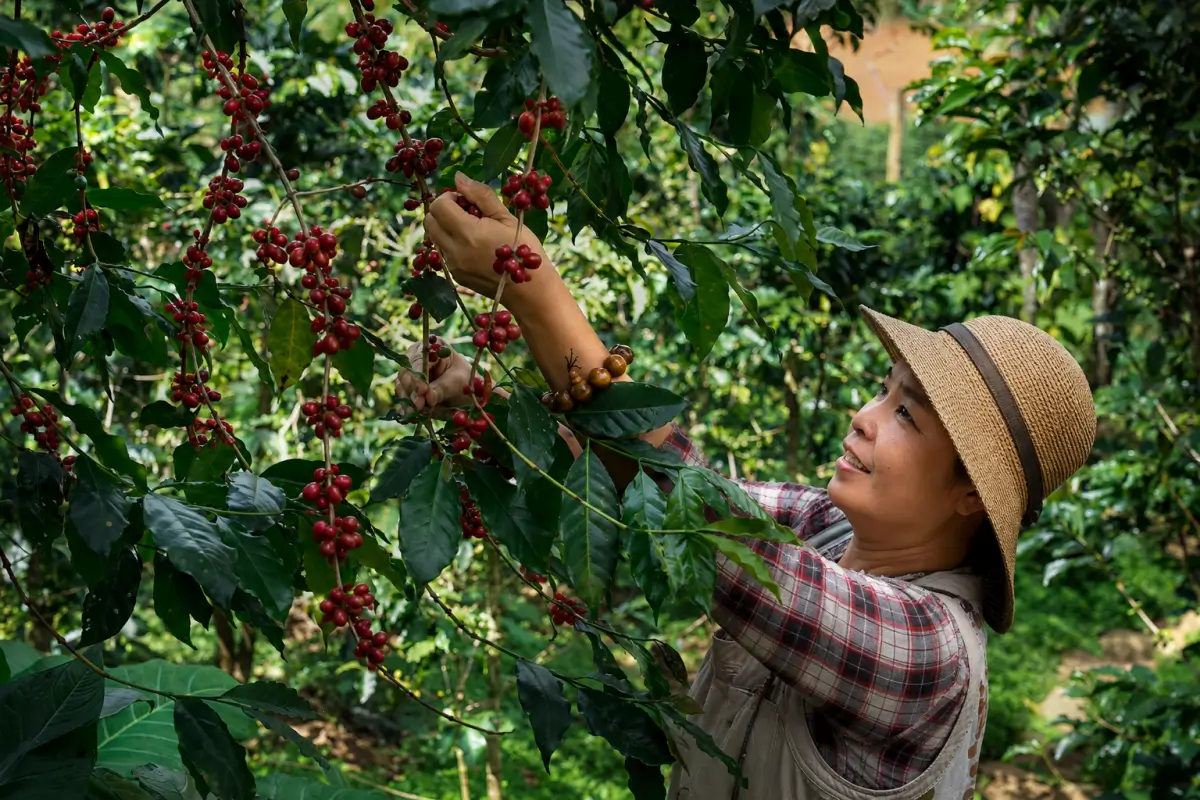
Coffee begins as a fruit known as a coffee cherry. Inside each cherry are typically two seeds that eventually become the coffee beans we know and love.
Before those beans can be roasted, the cherries must be harvested, processed, dried, sorted, and prepared for export. Each step requires careful attention to ensure quality and consistency.
These steps take place in coffee-growing regions around the world, where climate, elevation, and local traditions all influence the final cup. Learn more about the world’s major coffee growing regions.
Although the process varies by region and producer, the goal remains the same: preserve the best qualities of the coffee while preparing it for roasting.
How Coffee Cherries Are Harvested
Coffee cherries do not all ripen at the same time. On a single branch, you may find green, yellow, red, and deep crimson cherries growing side by side.
Because of this, harvesting methods can have a significant impact on quality.
Selective Picking
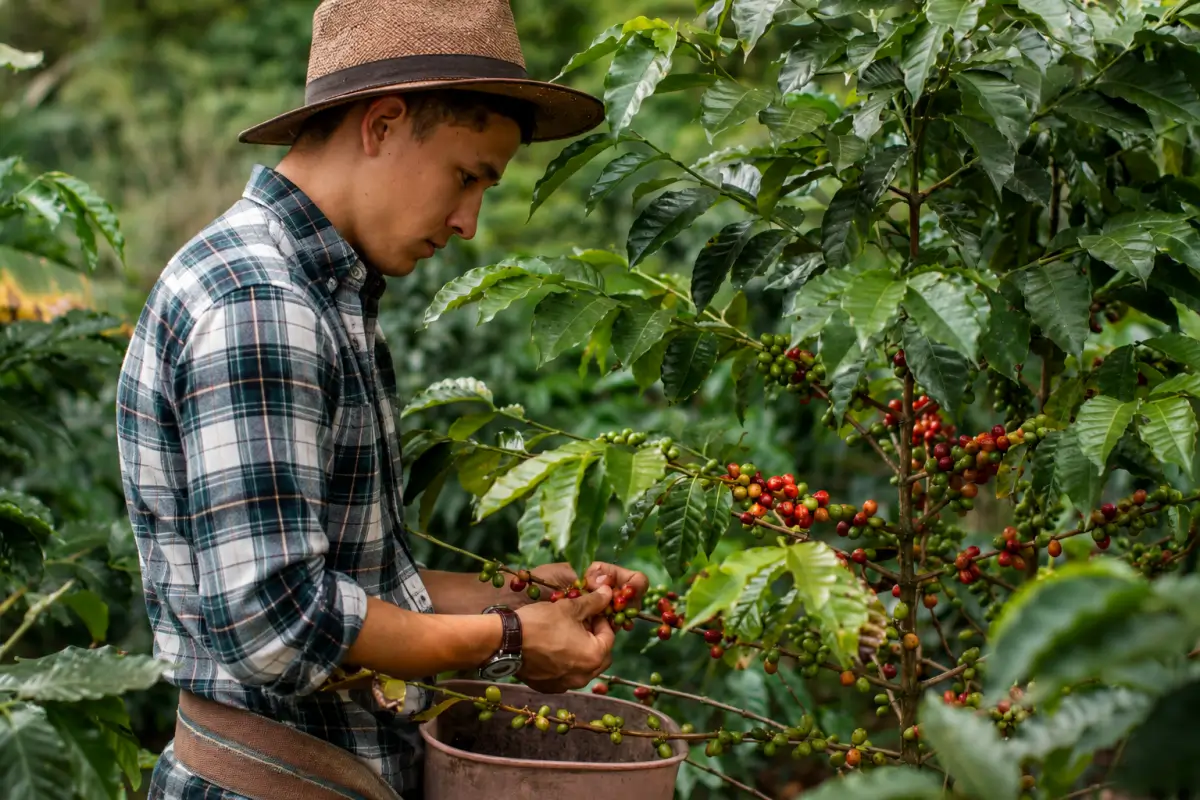
Selective picking is considered the highest-quality harvesting method.
Workers carefully choose only the ripest cherries and leave unripe fruit on the tree to mature further. The same plant may be visited multiple times during harvest season.
This labor-intensive method is common among specialty coffee producers focused on quality.
Strip Picking
Strip picking removes all cherries from a branch at one time, regardless of ripeness.
This method is faster and less expensive but often results in a mix of ripe and unripe cherries that must be sorted later.
Mechanical Harvesting
Some farms use machines that shake coffee plants and collect the falling cherries.
Mechanical harvesting can be efficient on large farms with suitable terrain, but it is less common in mountainous coffee-growing regions where machinery is difficult to operate.
What Happens After Coffee Harvesting?
Once cherries are picked, the race against time begins. Fresh coffee fruit can spoil quickly if not processed properly.
The purpose of processing is to remove the fruit surrounding the bean while preserving quality and developing flavor characteristics.
Today, producers use several processing methods, each creating a unique flavor profile.
Natural Coffee Processing
The natural process, sometimes called the dry process, is one of the oldest coffee processing methods.
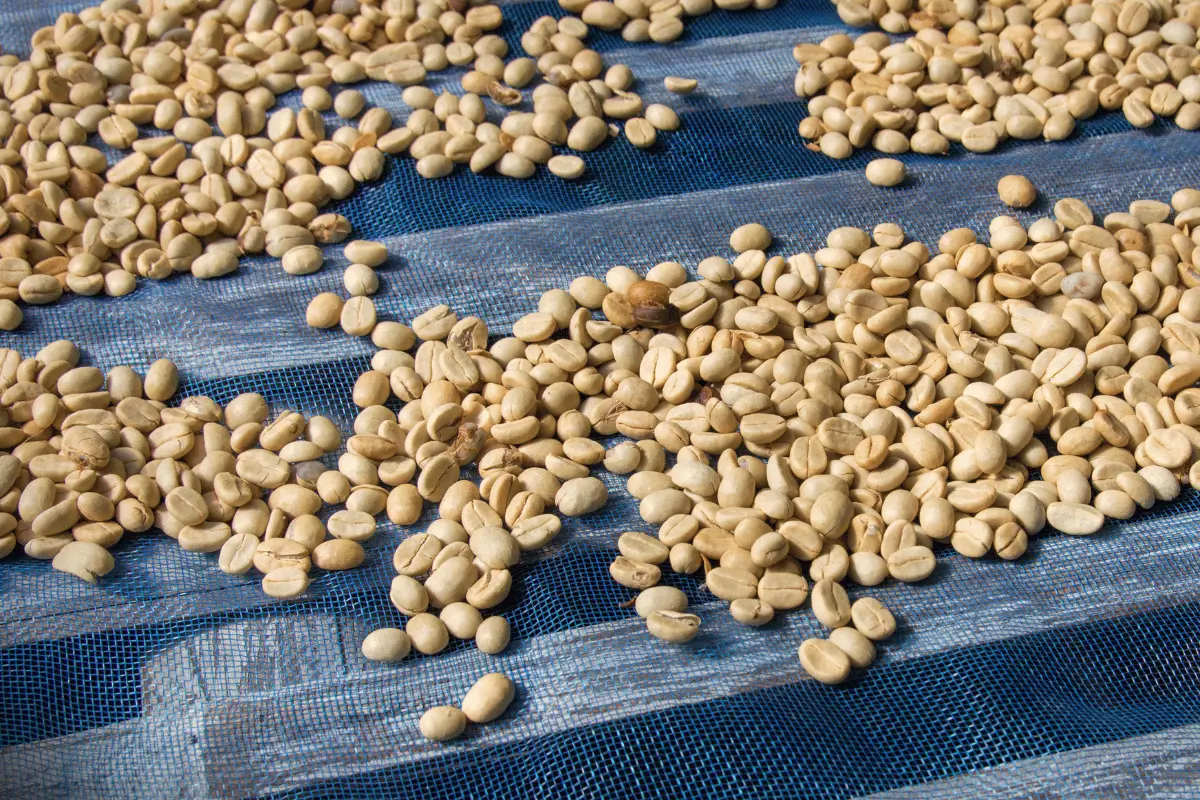
After harvesting, whole cherries are spread across patios, raised beds, or drying tables and allowed to dry with the fruit still intact.
Workers regularly turn the cherries to promote even drying and prevent spoilage.
As the fruit dries around the bean, sugars and fruit characteristics can influence the final flavor.
Many specialty coffees available today use natural processing methods to create distinctive fruit-forward flavors and aromas.
Natural processed coffees are often known for:
- Fruit-forward flavors
- Berry-like sweetness
- Heavier body
- Complex aromas
Washed Coffee Processing
The washed process, also called the wet process, removes the fruit from the bean shortly after harvesting.
The cherries first pass through equipment that separates the outer fruit from the seed. The beans then undergo a controlled fermentation stage that helps remove any remaining mucilage.
After fermentation, the beans are washed with water and moved to drying beds or patios.
Washed coffees are often appreciated for their clarity and consistency.
Common flavor characteristics include:
- Clean cup profile
- Bright acidity
- Distinct origin characteristics
- Crisp finish
Honey Coffee Processing
Despite the name, honey processing does not involve actual honey.
Instead, some of the sticky fruit layer known as mucilage is intentionally left on the bean during drying.
This creates a balance between the natural and washed methods.
Depending on how much mucilage remains, producers may classify coffees as yellow, red, or black honey processed.
Honey processed coffees are often known for:
- Balanced sweetness
- Smooth body
- Complex flavor development
- Moderate acidity
Drying, Milling, and Exporting Coffee
Regardless of the processing method used, coffee must be dried to a stable moisture level before it can be stored or shipped.
Drying may take several days or even weeks depending on climate conditions and processing style.
Once drying is complete, the coffee moves to the milling stage.
During milling, protective layers surrounding the bean are removed, and the coffee is cleaned, sorted, and graded.
Producers inspect the coffee for defects and separate beans by size, weight, and quality.
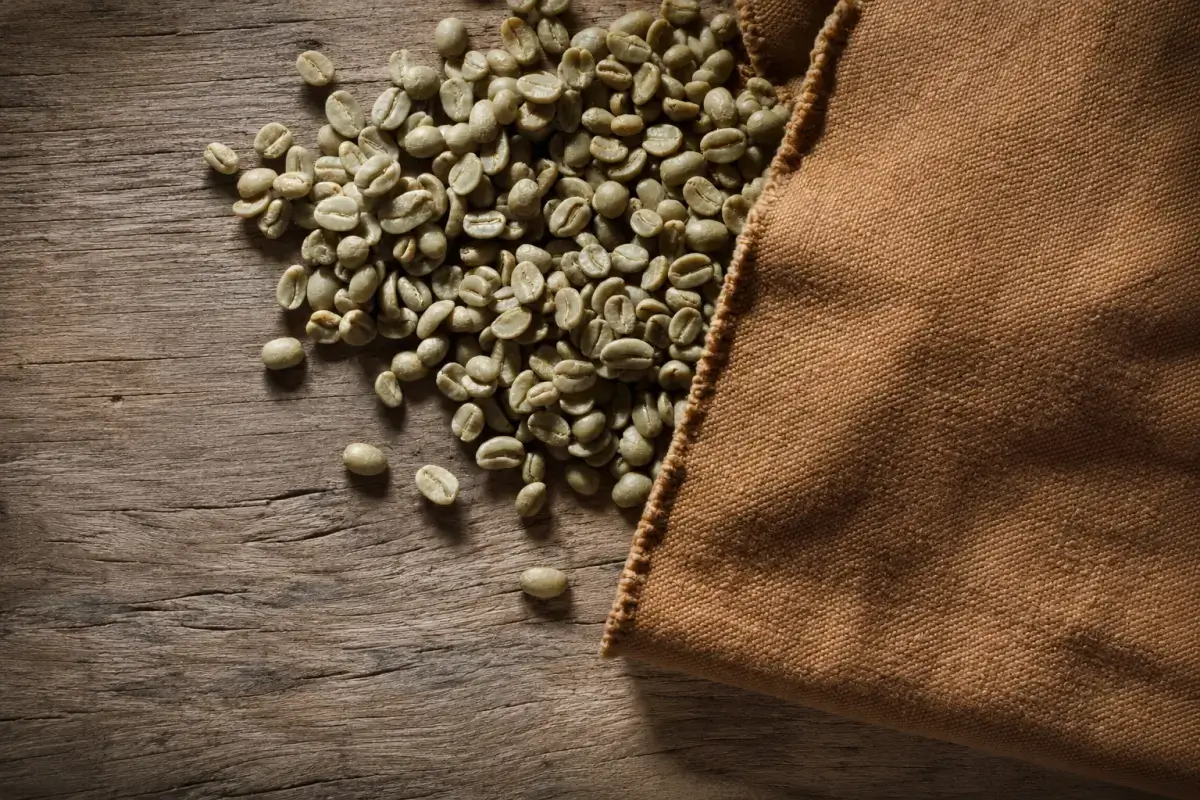
The finished product is known as green coffee.
Green coffee is packaged and exported to roasters around the world, where it is transformed into the roasted coffee we brew every day.
How Coffee Processing Affects Flavor
Processing is one of the biggest factors influencing how a coffee tastes.
Even coffees grown in the same region can taste dramatically different depending on how they are processed.
This is one reason coffee enthusiasts enjoy exploring different origins and roasters. Browsing a variety of coffees through our Coffee Marketplace can be a great way to experience how processing methods influence flavor.
- Natural Process: Often fruitier, sweeter, and heavier-bodied.
- Washed Process: Typically cleaner, brighter, and more transparent to origin characteristics.
- Honey Process: Often balanced with sweetness, body, and complexity.
This is one reason coffee lovers enjoy exploring different origins and processing styles. Small changes during production can create entirely different experiences in the cup.
From Farm to Your Cup
How Is Coffee Harvested and Processed? It’s a skilled craft that requires patience, experience, and attention to detail. These important steps are just one chapter in coffee’s long journey. The story of coffee spans centuries of cultivation, trade, and global expansion, shaping the beverage we enjoy today.
From carefully selecting ripe cherries to drying, milling, and exporting green coffee, every step contributes to the final flavor you enjoy in your cup.
The next time you brew coffee, remember that a tremendous amount of work happened long before roasting began. Understanding that journey makes every sip a little more meaningful.If you’re interested in learning more about coffee’s origins, explore The History of Coffee: From Ancient Origins to Your Cup.
Related Articles

What Is Specialty Coffee?
What is specialty coffee? A coffee that scores 80 points or higher on a 100-point scale established by the Specialty...
The History of Coffee: From Ancient Origins to Your Cup
Coffee has been bringing people together for centuries. Long before modern coffee shops, espresso machines, and...

Breville Bambino Plus Review: Is It Worth Buying?
The Breville Bambino Plus has become one of the most frequently recommended espresso machines for home coffee...
Discover Coffee From Small Batch Roasters
Explore single origin coffee, espresso, blends, cold brew, decaf coffee, and subscriptions from small batch roasters across the country. Discover coffee from real people with real stories.
Shop Coffee
Explore coffee from small batch roasters, including single origin coffee, blends, decaf coffee, cold brew, and more.
Espresso Coffee
Discover espresso blends and single origin espresso coffees crafted for rich flavor, balanced extraction, and exceptional crema.
Coffee Subscriptions
Get fresh roasted coffee delivered automatically to your home, and discover new favorites from small batch roasters.
Browse Coffee Categories:
About the Author

Maker's Coffee
Blog Writer
Maker’s Coffee blog writers consist of experienced coffee professionals and enthusiasts dedicated to creating informative, educational, and engaging content about coffee, brewing methods, roasting, coffee equipment, and the people behind every cup.

0 Comments