
Coffee has been bringing people together for centuries. Long before modern coffee shops, espresso machines, and specialty roasters existed, coffee was moving across regions, cultures, and trade routes. The history of coffee is not perfectly clear, but its journey from early origins to global popularity is one of the most fascinating stories in the world of food and drink.
The Earliest Origins of Coffee
The exact origins of coffee remain the subject of historical debate.
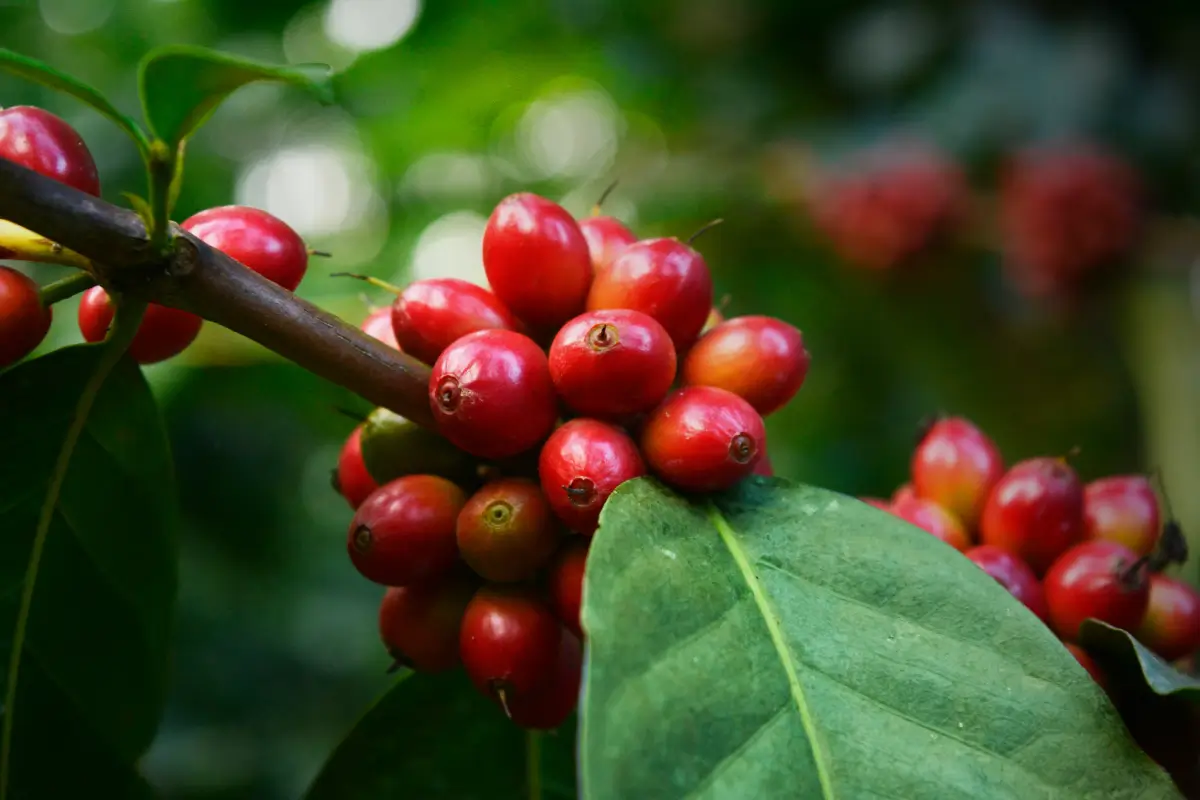
Many historians believe that Arabica coffee originated in East Africa, especially in regions of present-day Ethiopia where wild coffee plants have grown naturally for centuries.
At the same time, Yemen holds an important place in coffee history. While Ethiopia is often connected to coffee’s natural origins, Yemen is widely credited with helping turn coffee into a cultivated crop, brewed beverage, and traded commodity.
Because written records from this early period are limited, it is difficult to say exactly how coffee was first discovered or consumed.
What is generally accepted is that both Ethiopia and Yemen played essential roles in coffee’s early development.
The Legend of Kaldi
One of the most famous stories in coffee history is the legend of Kaldi.
According to folklore, Kaldi was an Ethiopian goat herder who noticed his goats acting unusually energetic after eating bright red cherries from a nearby plant.
Curious about the fruit, Kaldi tried the cherries himself and experienced a similar burst of energy.
Although historians have never proven that Kaldi existed, the story remains one of the most widely shared legends about coffee’s discovery.
Whether fact or folklore, the legend reflects the deep connection between coffee and East Africa.
Coffee’s Journey to Yemen
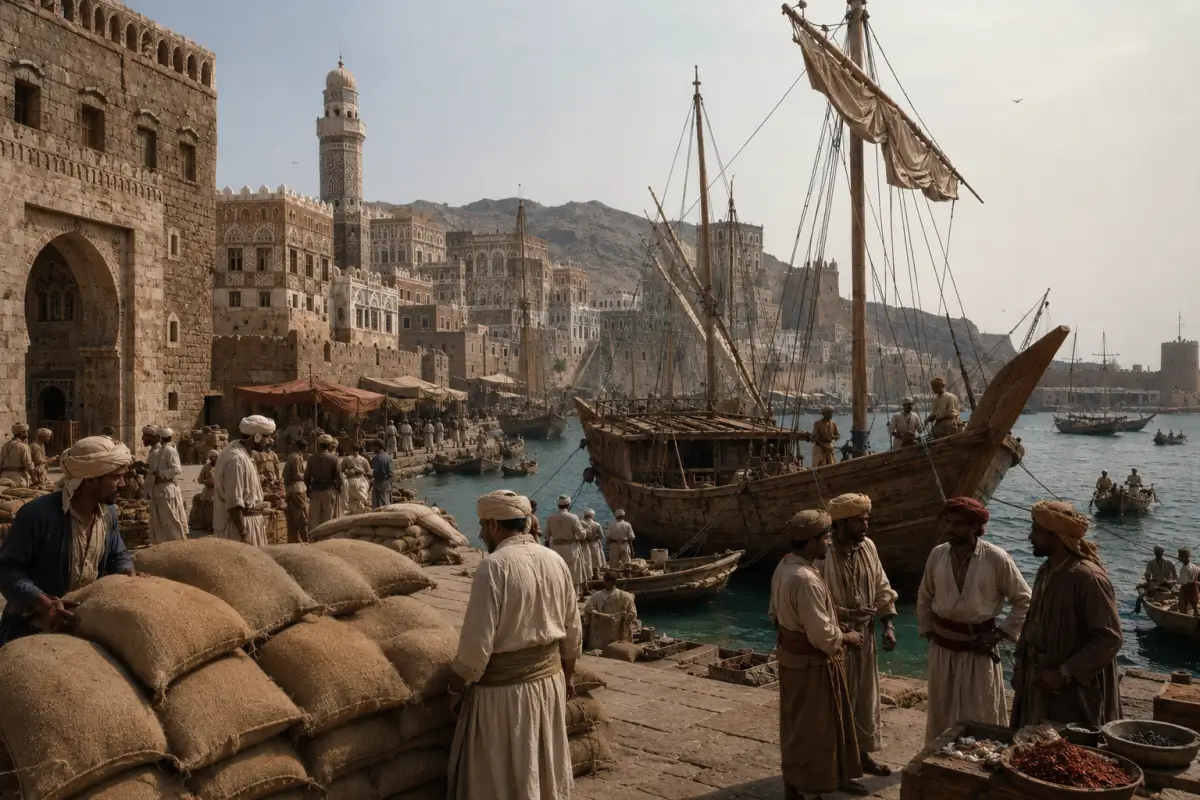
By the fifteenth century, coffee had become firmly established in Yemen.
Yemeni farmers cultivated coffee in mountainous regions where the climate and elevation supported healthy coffee plants.
Coffee became especially valued by religious communities because it helped people stay alert during prayer, study, and long periods of work.
As demand grew, coffee moved through trade routes connecting the Arabian Peninsula, East Africa, and other regions.
One of the most important centers of this trade was the port city of Mocha.
Today, many people associate mocha with chocolate-flavored coffee drinks, but the word originally referred to the Yemeni port that helped introduce coffee to wider markets.
The Rise of Coffeehouses
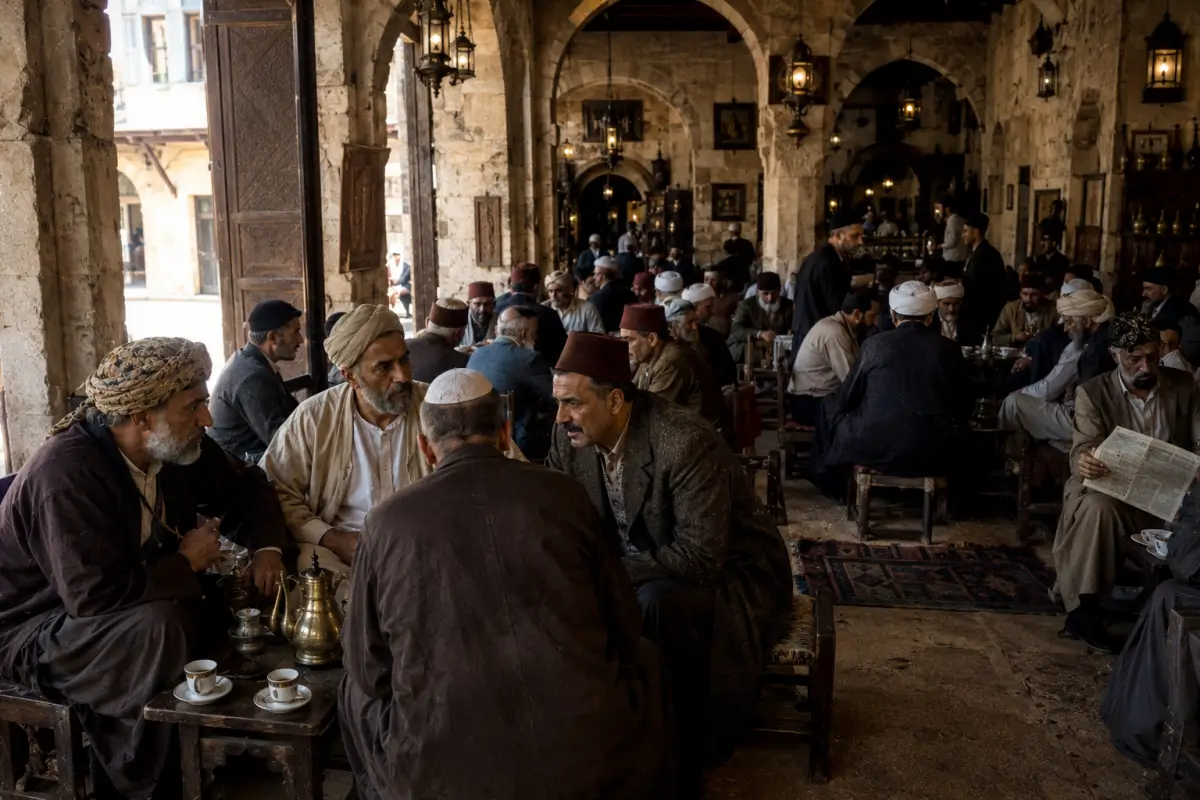
As coffee spread throughout the Arabian Peninsula and the Middle East, coffeehouses began appearing in major cities.
These establishments quickly became much more than places to drink coffee.
People gathered in coffeehouses to talk, debate, conduct business, share news, listen to music, and discuss ideas.
In many communities, coffeehouses became important centers of social life.
Early coffeehouses were often places for:
- Business transactions and trade discussions
- Sharing local news and current events
- Political and cultural conversations
- Reading, writing, and learning
- Meeting friends and building community
Coffeehouses in the Middle East
Some of the earliest coffeehouses appeared throughout cities within the Ottoman Empire.
Merchants, travelers, scholars, and local residents used these spaces to exchange information and build relationships.
The popularity of coffeehouses helped increase demand for coffee and supported its continued spread throughout the region.
Coffeehouses in Europe
By the seventeenth century, coffee had reached Europe through expanding trade networks.
Coffeehouses soon appeared in cities such as London, Paris, Venice, and Vienna.
These European coffeehouses attracted merchants, writers, artists, scientists, and political thinkers.
Many important conversations about business, science, literature, and politics took place over cups of coffee.
As coffee became more popular, European demand helped push coffee cultivation into new parts of the world.
Coffee Expands Around the World
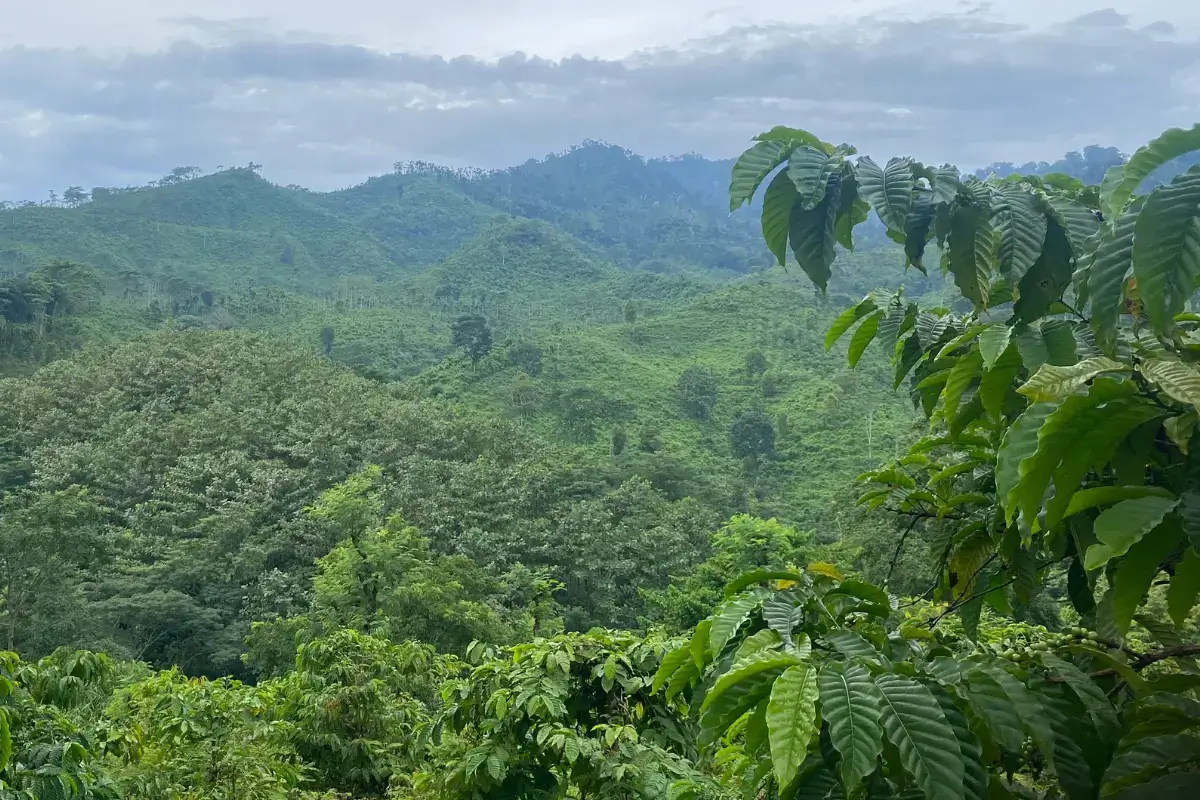
As demand for coffee increased, coffee plants were introduced to new growing regions across the world.
Coffee cultivation spread throughout Central America, South America, the Caribbean, Southeast Asia, and additional parts of Africa.
These regions offered the warm temperatures, rainfall, and growing conditions coffee plants need to thrive.
Over time, different countries developed their own coffee-growing traditions and flavor profiles.
That is one reason coffee from Ethiopia, Colombia, Brazil, Costa Rica, and Indonesia can taste so different from one another.
If you want to explore this topic further, our guide on Coffee Growing Regions Around the World explains how geography, climate, and elevation influence coffee flavor.
Coffee Arrives in the Americas
Coffee eventually became an important crop throughout the Caribbean, Central America, and South America.
The climate in many of these regions proved ideal for coffee farming.
Countries such as Colombia, Guatemala, Costa Rica, and Brazil became known for producing coffee with distinct regional characteristics.
As production expanded, coffee became more widely available to people around the world.
Brazil and Commercial Coffee Production
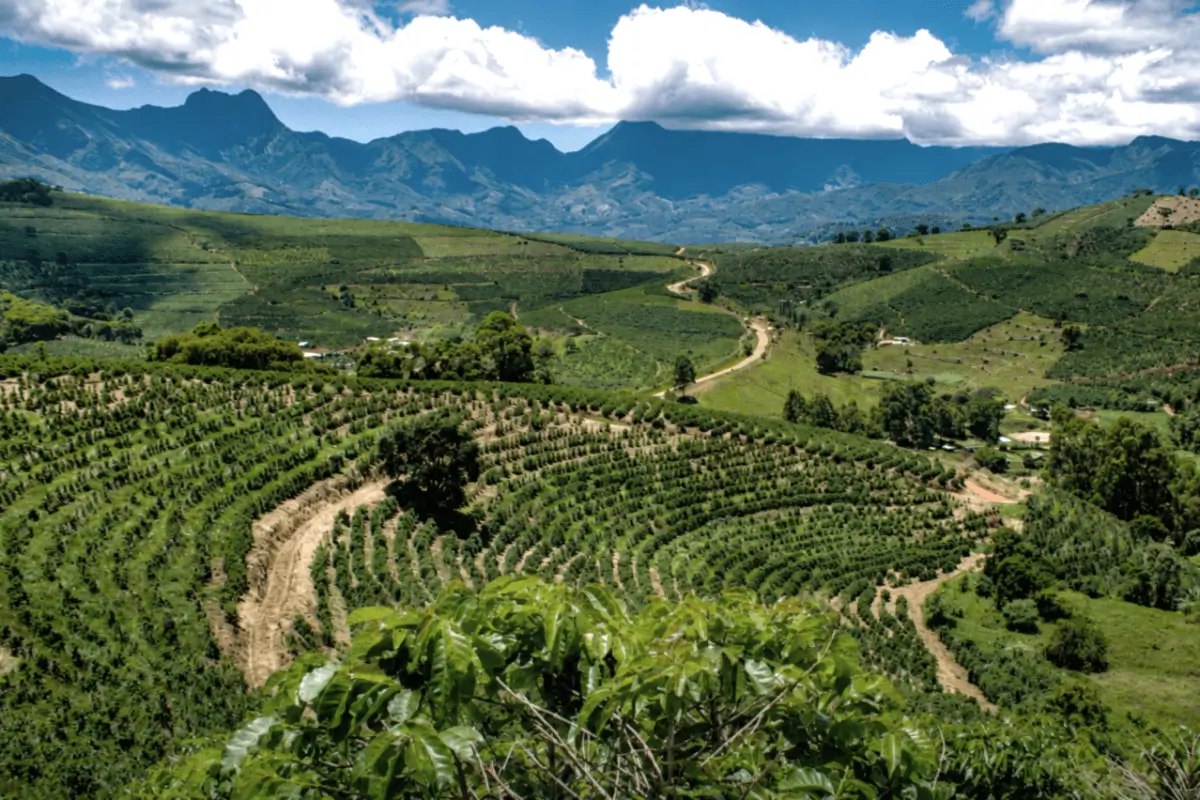
Brazil became one of the most important countries in coffee history.
During the eighteenth and nineteenth centuries, coffee production in Brazil grew rapidly.
The country eventually became the world’s largest coffee producer, a position it continues to hold today.
Brazil’s large-scale production helped make coffee more accessible and affordable for everyday consumers.
Its role in coffee history also shows how coffee changed from a regional beverage into a major global commodity.
The Birth of Specialty Coffee
For much of coffee’s commercial history, coffee was treated mainly as a commodity.
The focus was often on volume, consistency, and price rather than origin, quality, or flavor complexity.
That began to change during the late twentieth century as more people became interested in where their coffee came from and how it was produced.
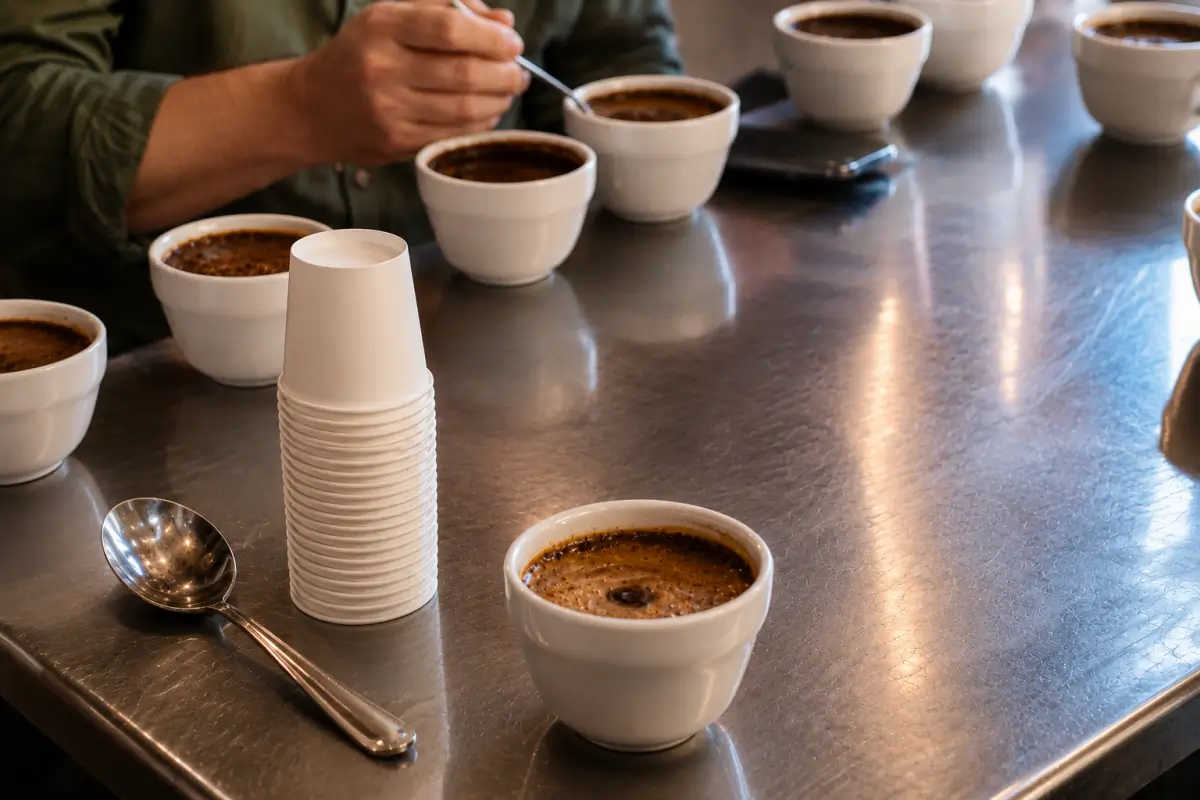
The specialty coffee movement helped bring greater attention to farms, regions, processing methods, roast profiles, and brewing techniques.
If you’re new to the concept, our guide on What Is Specialty Coffee? explains what separates specialty coffee from commercial coffee.
Instead of treating coffee as one generic product, specialty coffee highlighted the unique characteristics that different coffees can offer.
This shift changed how many people think about coffee.
Today, coffee drinkers can explore single-origin coffees, seasonal offerings, espresso blends, decaf options, and coffees roasted to highlight specific flavor notes.
You can explore coffees from small batch roasters through our Coffee Marketplace.
Coffee Today
Coffee is now enjoyed in nearly every corner of the world.
Millions of people depend on coffee farming, processing, exporting, roasting, brewing, and retailing for their livelihoods.
At the same time, coffee remains deeply personal.
For some people, it is part of a morning routine. For others, it is a craft, a business, a cultural tradition, or a way to connect with others.
Modern coffee can be simple or complex.
It can be brewed in a drip coffee maker, prepared as espresso, poured over by hand, served cold, or enjoyed as part of a café-style drink.
Even with all of that innovation, every cup is still connected to centuries of history.
Final Thoughts
The history of coffee is a story of origin, trade, culture, and connection.
While some details of coffee’s earliest beginnings remain debated, its impact on the world is clear.
From East Africa and Yemen to coffeehouses, global trade, and modern specialty coffee, coffee has shaped the way people gather, work, and enjoy daily life.
Understanding coffee’s history helps us appreciate more than the drink itself.
It also helps us recognize the farmers, communities, roasters, and traditions behind every cup.
You can continue learning about coffee origins, processing methods, brewing techniques, and coffee culture throughout our Coffee Education articles.
Related Articles
How Is Coffee Harvested and Processed?
How is coffee harvested and processed? Long before coffee is roasted, brewed, and enjoyed, it must pass through...

Breville Bambino Plus Review: Is It Worth Buying?
The Breville Bambino Plus has become one of the most frequently recommended espresso machines for home coffee...
Coffee Growing Regions Around the World
Coffee starts its journey long before it reaches your cup. Every coffee bean begins as the seed of a fruit called a...
Discover Coffee From Small Batch Roasters
Explore single origin coffee, espresso, blends, cold brew, decaf coffee, and subscriptions from small batch roasters across the country. Discover coffee from real people with real stories.
Shop Coffee
Explore coffee from small batch roasters, including single origin coffee, blends, decaf coffee, cold brew, and more.
Espresso Coffee
Discover espresso blends and single origin espresso coffees crafted for rich flavor, balanced extraction, and exceptional crema.
Coffee Subscriptions
Get fresh roasted coffee delivered automatically to your home, and discover new favorites from small batch roasters.
Browse Coffee Categories:
About the Author

Maker's Coffee
Blog Writer
Maker’s Coffee blog writers consist of experienced coffee professionals and enthusiasts dedicated to creating informative, educational, and engaging content about coffee, brewing methods, roasting, coffee equipment, and the people behind every cup.

0 Comments